

Surroundings
Deux-Sèvres
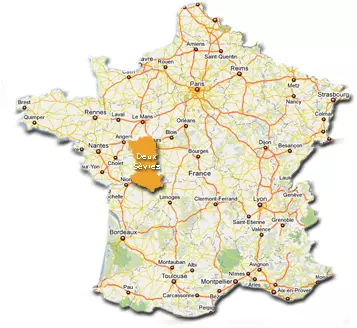
Deux-Sèvres enjoys a mild oceanic climate and has nearly as many hours of sunshine as Provence! Let yourself be surprised by this beautiful department. When spending your holiday here, the Atlantic coast is just over an hour away, making a lovely day at the beach and a terrace in La Rochelle easily doable.
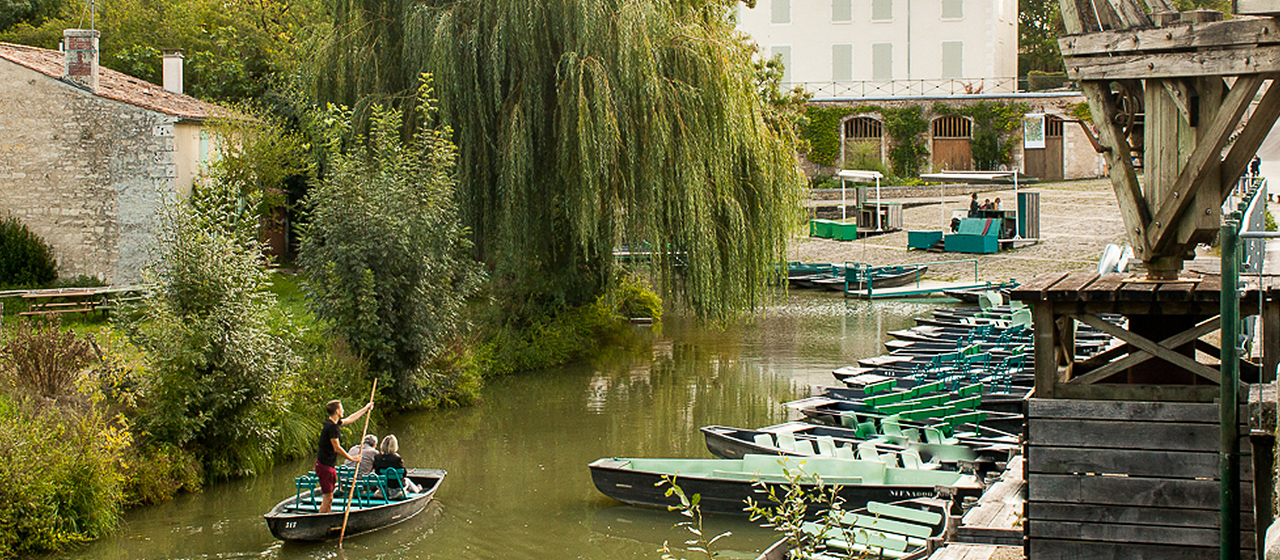
For lovers of regional produce, the Cognac region is worth a visit, and a remarkable nature reserve is the Marais Poitevin, also known as "La Venise Verte" (The Green Venice). The area is renowned for its goat cheese production, especially the famous Chabichou du Poitou.
Deux-Sèvres is filled with castles, churches, and medieval villages, with a rich history dating back to Gallic and Roman times. It played an important role during the Hundred Years' War and the Wars of Religion.
Tourism website: https://www.tourisme-deux-sevres.com
Golf des Forges
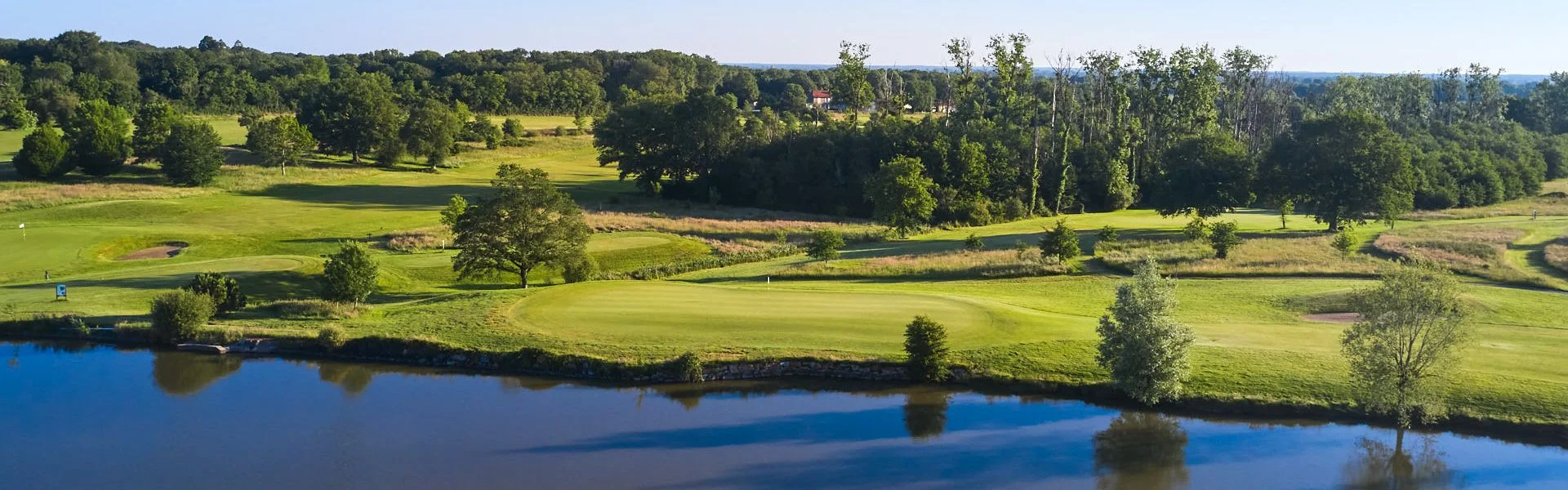
A varied course where it's a pleasure to play. After your round, enjoy the terrace at La Bergerie restaurant.
Whether you have a golf licence or not... you're very welcome — even to learn!
https://golfdomainedesforges.fr/
Marais Poitevin ("La Venise Verte")
https://www.marais-poitevin.com/
Niort
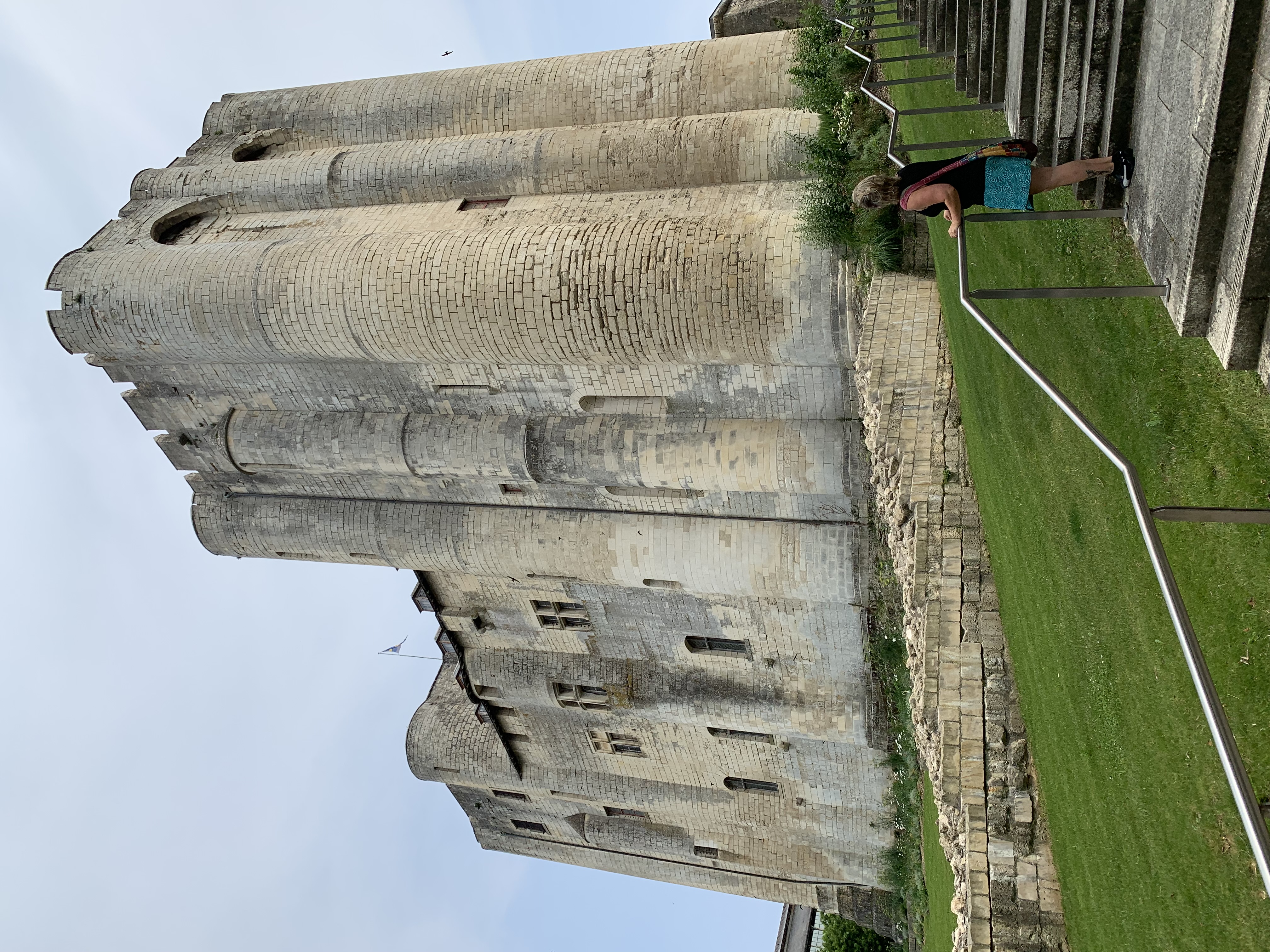 The capital of Deux-Sèvres, known for its historic landmarks and modern insurance industry. Donjon of Niort: An impressive medieval castle built by Henry II of England and Eleanor of Aquitaine in the 12th century. Les Halles de Niort: A beautiful 19th-century covered market selling local products. Niort combines history with a vibrant local culture, especially on market days.
Parthenay
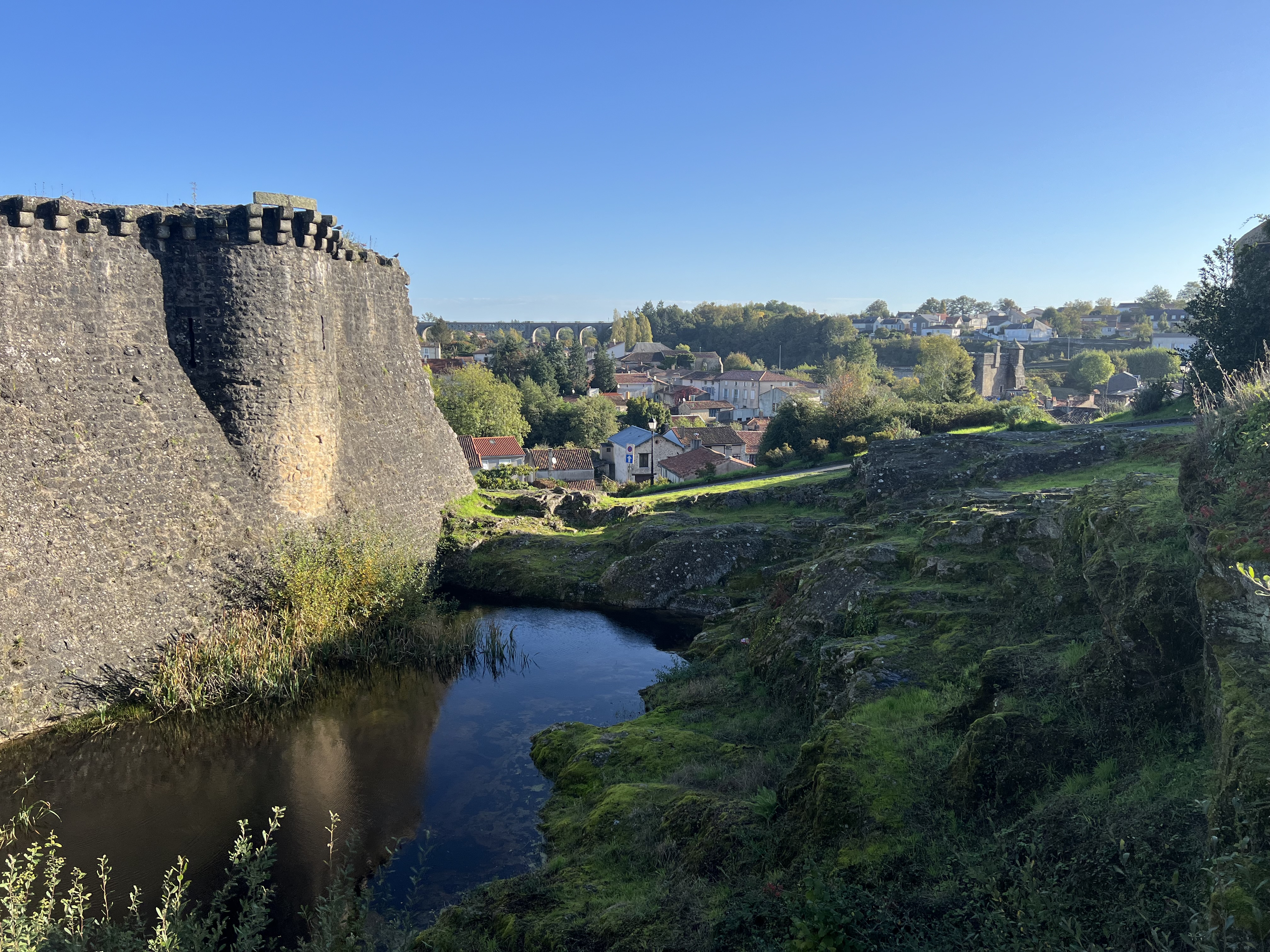 A charming medieval town with a well-preserved historic centre. The medieval district is full of half-timbered houses, old city walls, and ancient gates like Porte Saint-Jacques. The ruins of a fortress offer impressive views over the river. Its rich medieval past and picturesque character make Parthenay one of the most beautiful places in the department.
St Maixent l'École
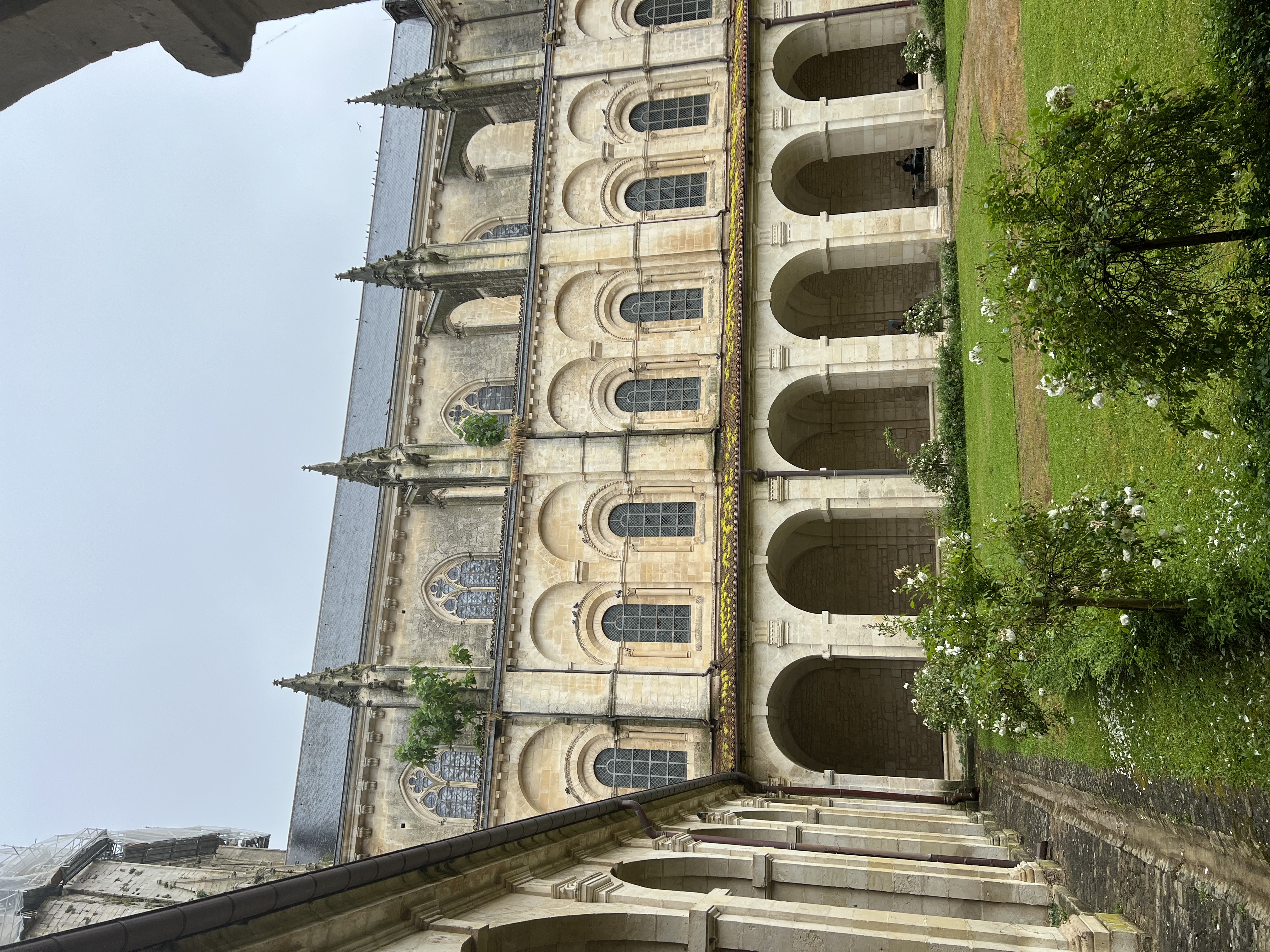 A town with a strong military tradition — still home to the national school for non-commissioned officers. Visit its 12th-century abbey church. Founded in the 5th century by the monk Agapit, Saint-Maixent-l'École boasts cobbled streets, medieval houses with colourful timberwork, public gardens, and its abbey — all worth discovering.
Abbaye Royale de Celles-sur-Belle
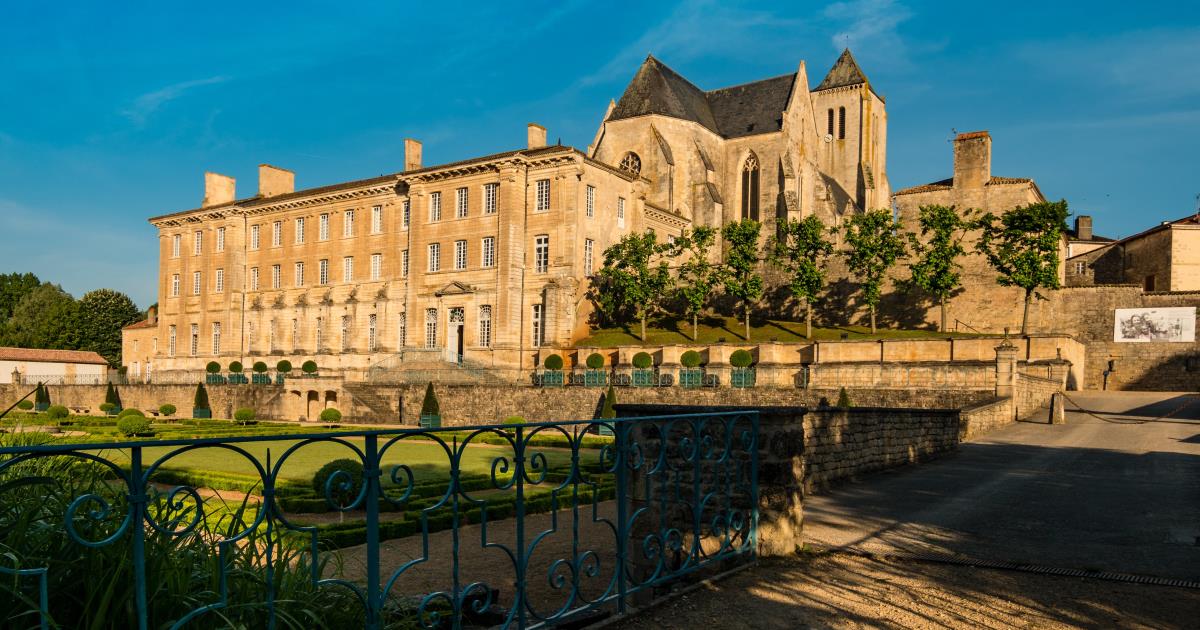
https://www.abbaye-royale-celles.com/
Zoodyssée
A large animal park focused on native European species. You'll see wolves, lynxes, otters, and many birds. A great destination for families and nature lovers. The park is eco-conscious and offers lots of information about wildlife conservation.
https://www.zoodyssee.fr/
https://www.zoodyssee.fr/
Bougon Tumulus
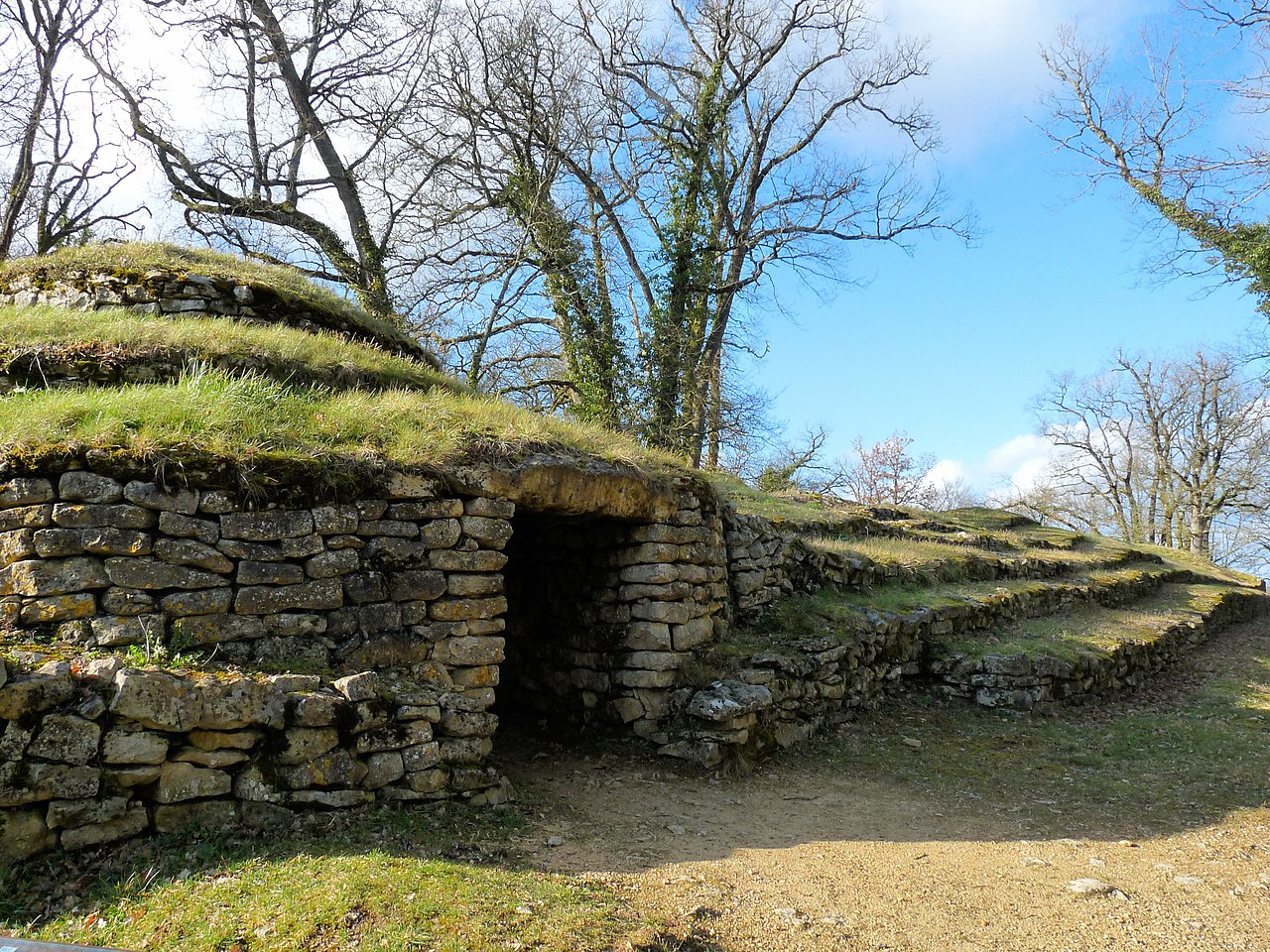
https://tumulus-de-bougon.fr/
Melle
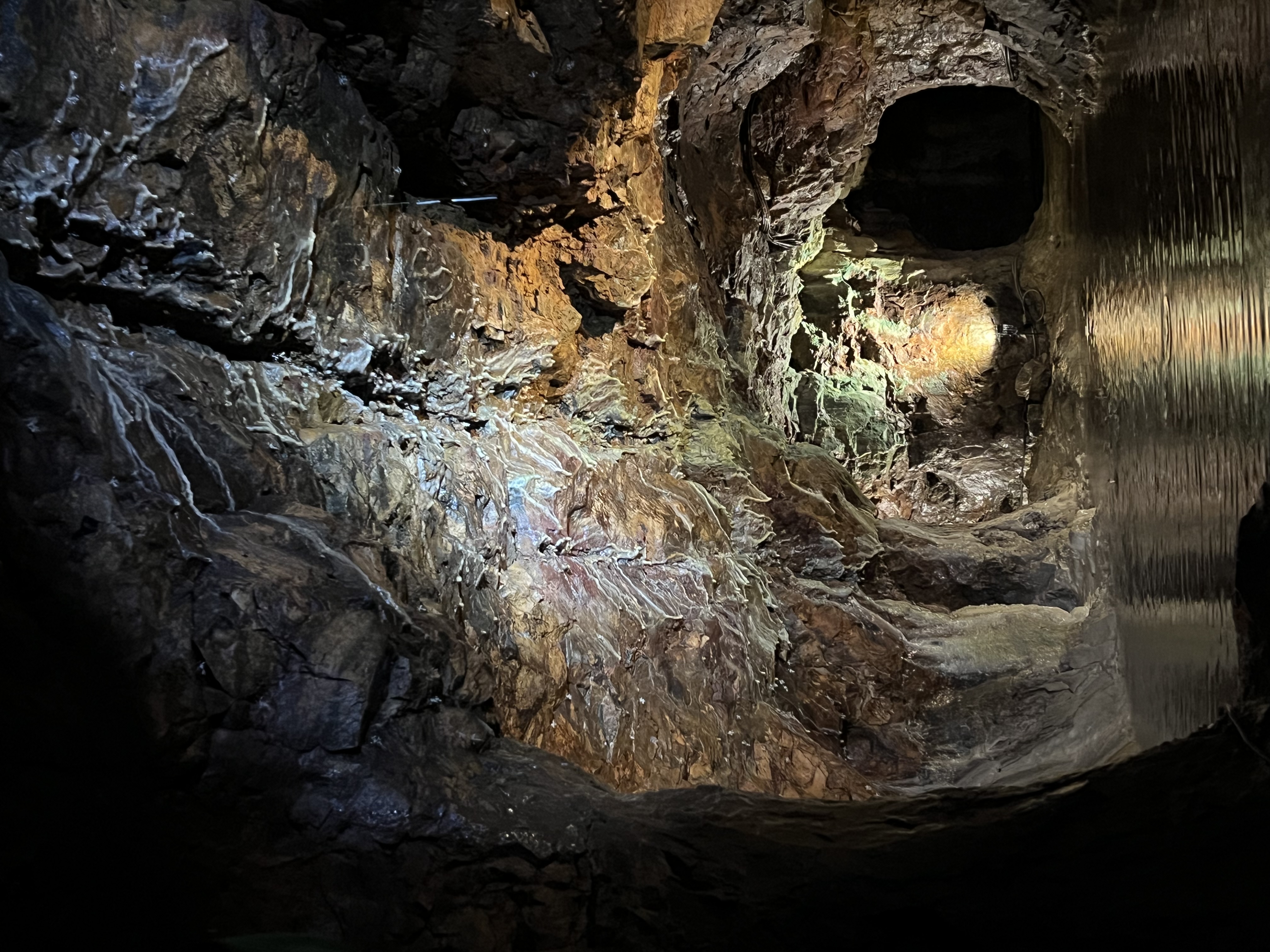 A town known for its old silver mines and Romanesque churches. The Silver Mines of Melle: Take an underground tour through mines dating back to the time of Charlemagne. Romanesque churches like the Église Saint-Hilaire, a UNESCO World Heritage site on the pilgrimage route to Santiago de Compostela. Melle offers a unique mix of medieval architecture and industrial history.
https://www.mines-argent.com/
Sanxay (an ancient Gallo-Roman settlement)
 The Sanxay site is the largest Gallo-Roman settlement found in western France. The town was inhabited from the 1st to the 4th century. It once had a temple dedicated to Mercury and Apollo that attracted many pilgrims. There was also a large amphitheatre with thousands of seats and a thermal bath complex.
https://www.site-galloromain-de-sanxay.fr/
Le Puits d'Enfer
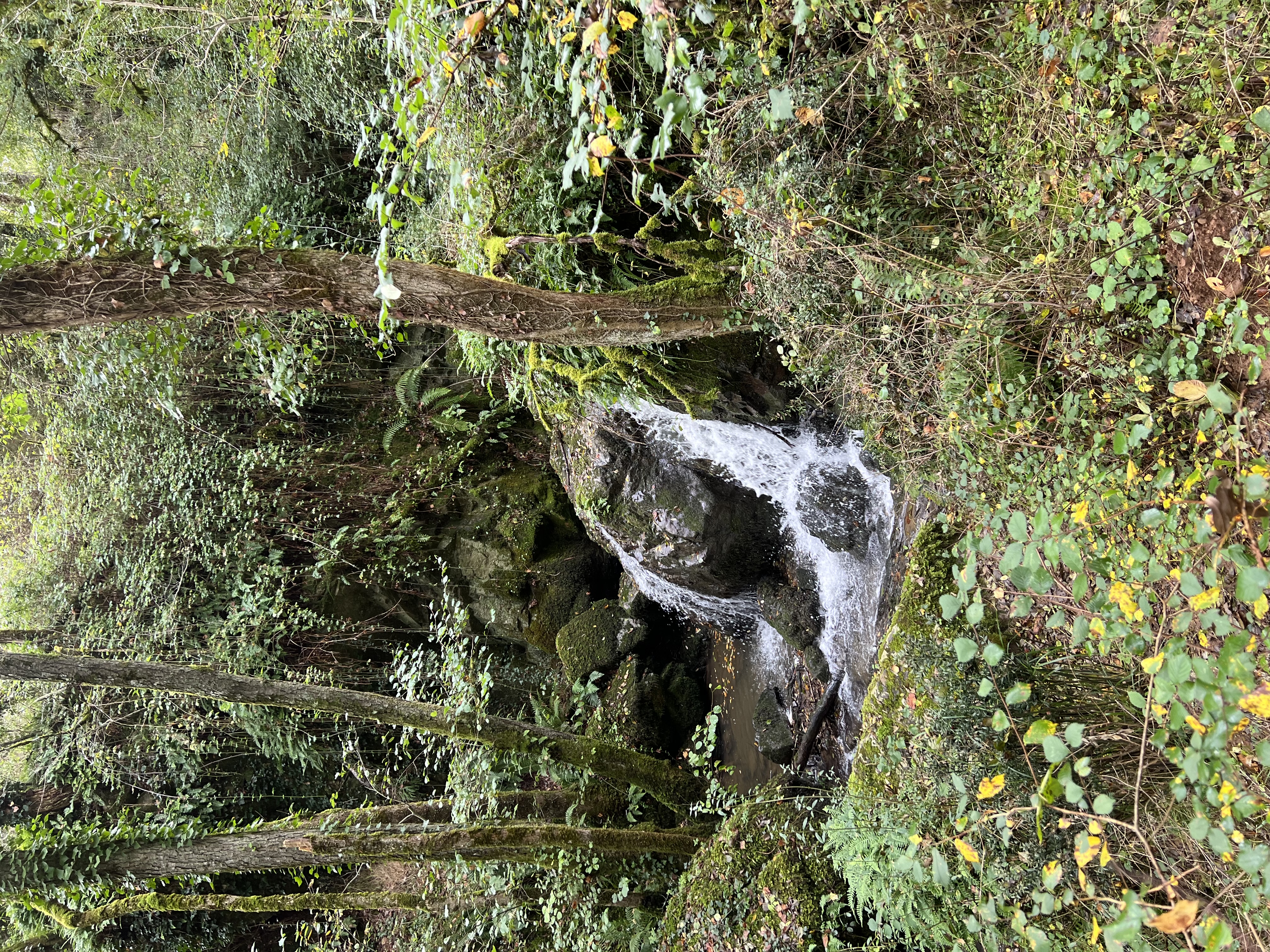 A unique natural area with a stream and several waterfalls. A fun hiking trail will guide you through this playful landscape.
In short: Deux-Sèvres offers a wonderful mix of history, nature, and culture. Whether you're into medieval castles, beautiful nature reserves, or local festivals, there's always something to experience!